Featured
14
Beautiful F1 Cockapoo Puppies 6girls and 4boys
Age: 3 weeks
Ready to leave: in 5 weeks
Southampton, Hampshire
£1,500
When choosing a hamster, observe its behaviour. Look for a hamster that is alert, active, and has bright, clear eyes. Check for signs of illness such as a hunched posture, ruffled fur, or discharge from the eyes or nose. Consider the hamster's breed and temperament, as some breeds are more docile than others. Ensure the hamster is handled gently and appears comfortable with human interaction.
There are no specific legal requirements for owning a hamster in the UK, but you are legally obligated to provide appropriate care, including a suitable environment, proper nutrition, and protection from pain, suffering, injury, and disease, as outlined in the Animal Welfare Act 2006. Failure to do so can result in prosecution.
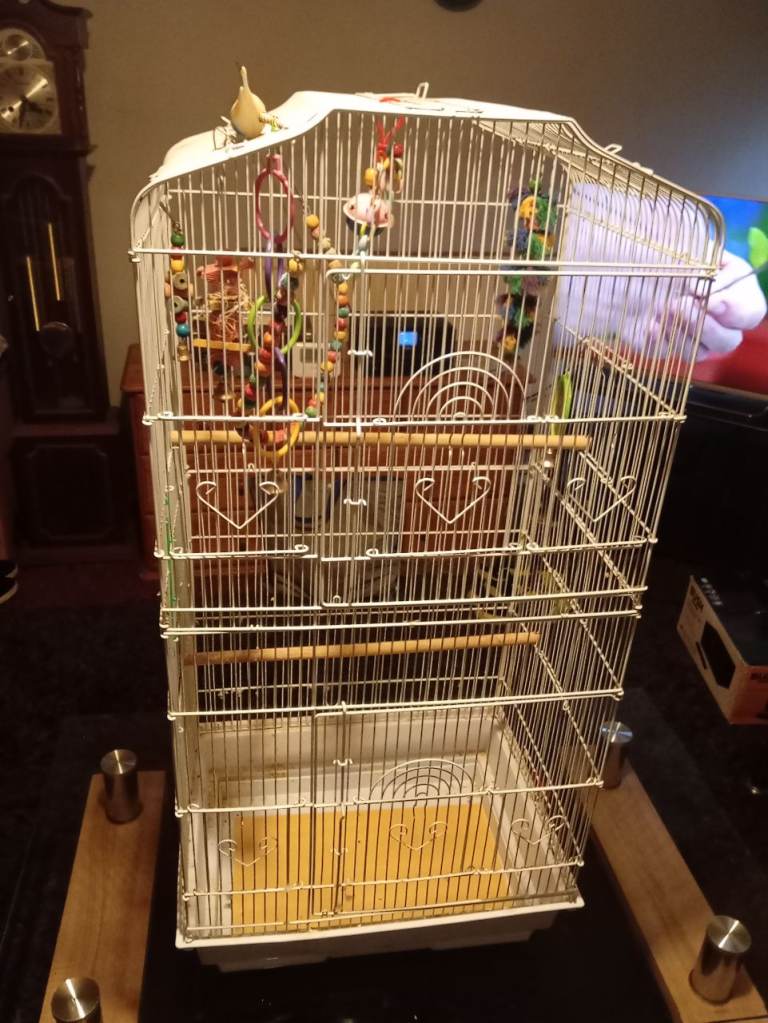
The best type of cage for a hamster is one that provides ample space for exercise and enrichment. A wire cage with a solid plastic base is a good option, or a large plastic bin cage. Avoid cages with wire mesh floors, as these can injure a hamster's feet. The cage should be well-ventilated and placed in a quiet location away from direct sunlight and drafts. A minimum floor space of 80cm x 50cm is recommended.
A hamster's diet should consist primarily of a high-quality hamster food mix. Supplement this with small amounts of fresh vegetables, fruits, and occasional treats like mealworms or sunflower seeds. Avoid feeding hamsters citrus fruits, chocolate, or sugary foods. Always provide fresh, clean water in a bottle or bowl.
Common health problems in hamsters include wet tail (diarrhoea), respiratory infections, and abscesses. To prevent these, maintain a clean cage, provide a healthy diet, and ensure the hamster is not exposed to drafts or sudden temperature changes. Regularly check your hamster for any signs of illness, such as lethargy, loss of appetite, or changes in behaviour. Consult a vet experienced in treating small animals if you notice any concerning symptoms. Always wash your hands before and after handling your hamster to prevent the spread of bacteria.